



Good health is one of the most valuable assets a person can have. It shapes the quality of our lives, influences our daily productivity, and determines how well we can pursue our dreams. Yet, despite its profound significance, many people only begin to value health when something goes wrong. Preventive care, mindful living, and a balanced lifestyle often take a backseat in the rush of modern life.
This blog explores the importance of health from all angles—physical, mental, emotional, and social. It also discusses how small daily habits can create a powerful long-term impact. With a focus on simplicity and readability, this 2000-word guide aims to inspire you to prioritize health as a lifelong commitment.
What Does Health Truly Mean?
Health is not just the absence of illness. It is a state of complete well-being—physical, mental, emotional, and social. True health allows us to live fully, function effectively, and enjoy meaningful relationships and experiences.
The modern world often measures success through wealth, status, and productivity. But the reality is simple: none of these matter without good health. A healthy mind and body are the foundation on which every other aspect of life is built.
1. Physical Health: The Foundation of Human Potential
Physical health refers to the condition of your body and its ability to perform daily activities without fatigue or physical stress. It is the most visible form of health but also the one often affected by poor lifestyle choices.
Why Physical Health Matters
-
Boosts energy levels
When the body functions well, you naturally feel more energetic and motivated. -
Reduces risk of diseases
Healthy habits reduce the likelihood of chronic conditions like diabetes, hypertension, obesity, and heart disease. -
Improves longevity
People with healthy lifestyles tend to live longer, more active lives. -
Supports immunity
A strong immune system protects you from infections and helps you recover faster.
Key Pillars of Physical Health
A. Nutrition

Food is fuel. A balanced diet strengthens the body, supports brain function, and stabilizes mood.
A nutritious diet includes:
-
Fresh fruits and vegetables
-
Whole grains
-
Lean proteins
-
Healthy fats
-
Adequate water intake
Avoiding excessive sugar, processed foods, and unhealthy fats helps maintain optimal body weight and prevents metabolic disorders.
B. Exercise
Regular physical activity improves heart health, maintains mobility, and enhances mood.
Forms of exercise:
-
Walking
-
Running or jogging
-
Weight training
-
Yoga
-
Cycling
-
Sports like swimming or football
Even 30 minutes of moderate activity a day can create a significant impact.
C. Rest and Sleep
Sleep is when the body repairs itself. Poor sleep affects mood, focus, immunity, and metabolism.
Most adults need about 7–9 hours of quality sleep each night. Good sleep hygiene includes:
-
Maintaining a consistent schedule
-
Limiting screen time before bed
-
Keeping the environment dark and quiet
D. Preventive Care
Routine check-ups and screenings help detect problems early. Prevention is always better—and often cheaper—than cure.
2. Mental Health: The Core of Well-Being
Mental health determines how we think, feel, and respond to life. It influences our performance, relationships, and sense of purpose. In today’s fast-paced world, mental health challenges like stress, anxiety, and depression are becoming common.
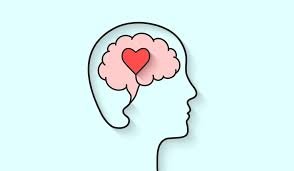
Why Mental Health Is Important
-
Shapes decision-making
-
Affects work performance
-
Influences relationships
-
Impacts physical health
-
Determines resilience
When mental health declines, everything else in life becomes harder.
How to Improve Mental Health
A. Mindfulness and Meditation
Practices like deep breathing and meditation reduce stress and increase mental clarity.
B. Positive Relationships
Healthy connections create emotional security and reduce feelings of loneliness.
C. Breaks and Work-Life Balance
Our minds need rest. Overworking leads to burnout, irritability, and emotional exhaustion.
D. Professional Help When Needed
Just like physical illness, mental health issues require timely support. Talking to a counselor or therapist can help restore balance.
3. Emotional Health: Understanding and Managing Feelings
Emotional health refers to our ability to process feelings in a healthy way. It is often ignored but plays a huge role in personal happiness and relationships.

Why Emotional Health Matters
-
Helps manage stress
-
Improves self-esteem
-
Strengthens relationships
-
Supports decision-making
Steps Toward Better Emotional Health
-
Express emotions instead of suppressing them
-
Practice empathy
-
Build self-awareness
-
Avoid toxic situations or people
-
Cultivate gratitude
Emotional well-being is built on consistent self-check-ins and the willingness to grow.
4. Social Health: The Power of Relationships
Humans are social beings. Connections with family, friends, colleagues, and communities shape our identity and emotional strength.
Importance of Social Health
-
Provides a support system
-
Boosts happiness
-
Helps reduce stress
-
Encourages positive behavior
-
Enhances sense of belonging
Ways to Improve Social Health
-
Communicate openly
-
Spend quality time with loved ones
-
Build new connections
-
Engage in community activities
-
Practice kindness and respect
Healthy relationships create a positive environment that nourishes overall well-being.
5. Financial Health and Its Link to Overall Wellness
Though not traditionally included in the definition of health, financial stability significantly affects stress levels, lifestyle choices, and access to medical care.
Why Financial Health Is Important
-
Reduces stress about daily needs
-
Provides access to nutritious food and healthcare
-
Creates a sense of security
-
Enables long-term planning
Improving Financial Wellness
-
Budgeting
-
Saving regularly
-
Avoiding unnecessary debts
-
Investing for the future
A healthy financial foundation supports a stable, low-stress life.
6. Holistic Health: The Balance of Mind, Body, and Soul
Holistic health integrates all dimensions—physical, mental, emotional, social, spiritual, and environmental. It encourages overall harmony rather than focusing on one single area.
Components of Holistic Health
-
Positive lifestyle habits
-
Emotional balance
-
Spiritual calmness
-
Healthy relationships
-
Environmental awareness
-
Continuous learning
A holistic approach ensures long-term wellness and happiness.
7. The Role of Lifestyle Choices
Daily habits shape your health more than you might realize. Small changes add up and become part of your lifestyle.
Healthy Lifestyle Choices
-
Eating whole foods
-
Staying active
-
Getting enough sleep
-
Staying hydrated
-
Maintaining cleanliness
-
Limiting alcohol and avoiding tobacco
-
Managing stress
-
Practicing gratitude
A disciplined lifestyle rewards you with improved energy, confidence, and longevity.
8. The Importance of Early Health Education
Teaching health awareness from a young age builds foundations for lifelong habits.
Benefits of Health Education
-
Encourages responsible habits
-
Reduces future health risks
-
Promotes body positivity
-
Improves decision-making
Schools, parents, and communities play a key role in shaping health-conscious individuals.
9. Technology and Health: A Modern Partnership
Technology has become a powerful tool for improving health.
Useful Technological Advancements
-
Fitness apps and trackers
-
Online consultations
-
Telemedicine
-
Health monitoring devices
-
Personalized diet and workout plans
Technology helps make health more accessible and trackable.
10. Environmental Health: How Surroundings Shape Well-Being
Our environment has a direct impact on health. Clean air, safe drinking water, and green spaces contribute to better physical and mental well-being.
Why Environmental Health Matters
-
Reduces risk of respiratory diseases
-
Encourages outdoor activities
-
Supports mental relaxation
-
Improves overall quality of life
Protecting the environment is directly connected to protecting our own health.
11. The Long-Term Rewards of Prioritizing Health
Choosing health today builds a stronger, happier future.
Long-term benefits include:
-
Higher life expectancy
-
Better quality of life
-
More financial savings
-
Stronger immunity
-
Better emotional stability
-
Higher productivity
-
Enhanced self-confidence
Good health is not an expense—it’s an investment that pays lifelong dividends.
Conclusion: Health Is the True Wealth
In the rush of modern life, it’s easy to forget that the greatest asset we possess is our health. Everything else—career, relationships, dreams—depends on it. A healthy lifestyle is not about perfection; it’s about consistency and awareness. The journey toward good health begins with small steps: mindful eating, regular exercise, sufficient sleep, emotional balance, and strong relationships.
