




Skoda Kailak has crossed the 50,000 unit production mark in a year. Kailak has played a key role in driving the group’s year-on-year growth of 36 per cent to 2025, a performance underpinned by the expansion of its Indian operations and high levels of localisation. Skoda entered the sub-compact SUV segment in India with the launch of the Kylak on December 2, 2024. The model has since seen strong market traction, emerging as a volume driver for the Czech automaker with customer deliveries set to begin on January 27, 2025.
Key factors behind its success The milestone underlines a change in fortunes for the Czech carmaker, which had struggled to achieve sustained scale in India despite a strong global portfolio. A major factor behind the performance of the Kylaq is its late entry into the subcompact SUV segment as demand was already firmly established at the time of launch. So, instead of relying on novelty, Skoda focused on core features. The Kylaq’s design is in line with the brand’s clean, sharp styling, while still being familiar enough to attract buyers moving on from hatchbacks and compact sedans, helping it appeal to a wider audience.
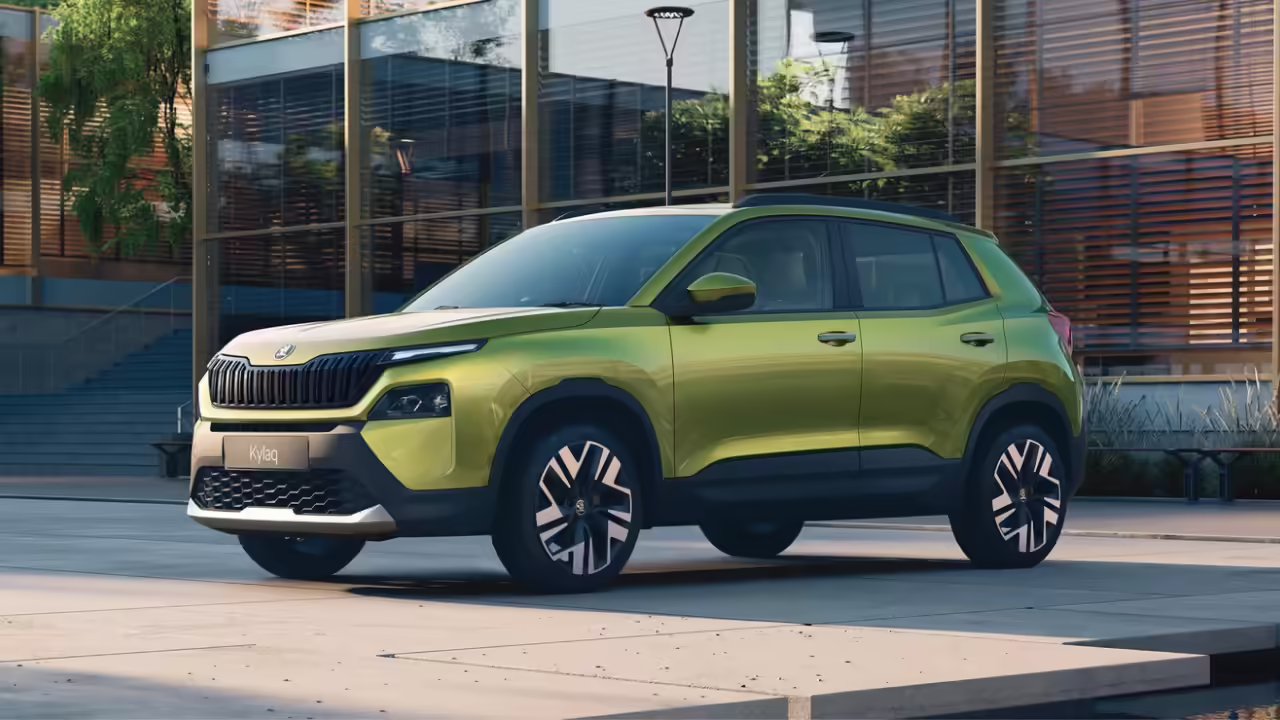
Competitive pricing has also played a central role. Moving away from the perception of earlier Skoda models being priced premium, the Kylaq was launched with a competitive price tag and a structured variant lineup. The mechanical package further strengthened its case. With established powertrain options, predictable performance and suspension tuning suited to Indian roads, the Kayak addressed concerns about everyday drivability. Improvements in localization and after-sales support further improved the product. Increased local sourcing helped manage costs, while simplified service plans, extended warranties and revised maintenance packages served to ease long-standing concerns about ownership expenses. These measures helped build confidence among new buyers and encouraged repeat interest.The 50,000-unit milestone indicates more than just short-term demand. This represents a potential turning point for Skoda in India, showing that the combination of pricing discipline, practical product choices and focused execution can deliver the scale the brand has been striving for for years. Whether this momentum can be sustained will become clear over time but Skoda has finally got off to a good start. To sustain long-term growth in the highly competitive compact SUV market, the Skoda Kylaq will require periodic design and interior updates, as well as meaningful feature additions that keep pace with the expectations of the rapidly evolving segment.
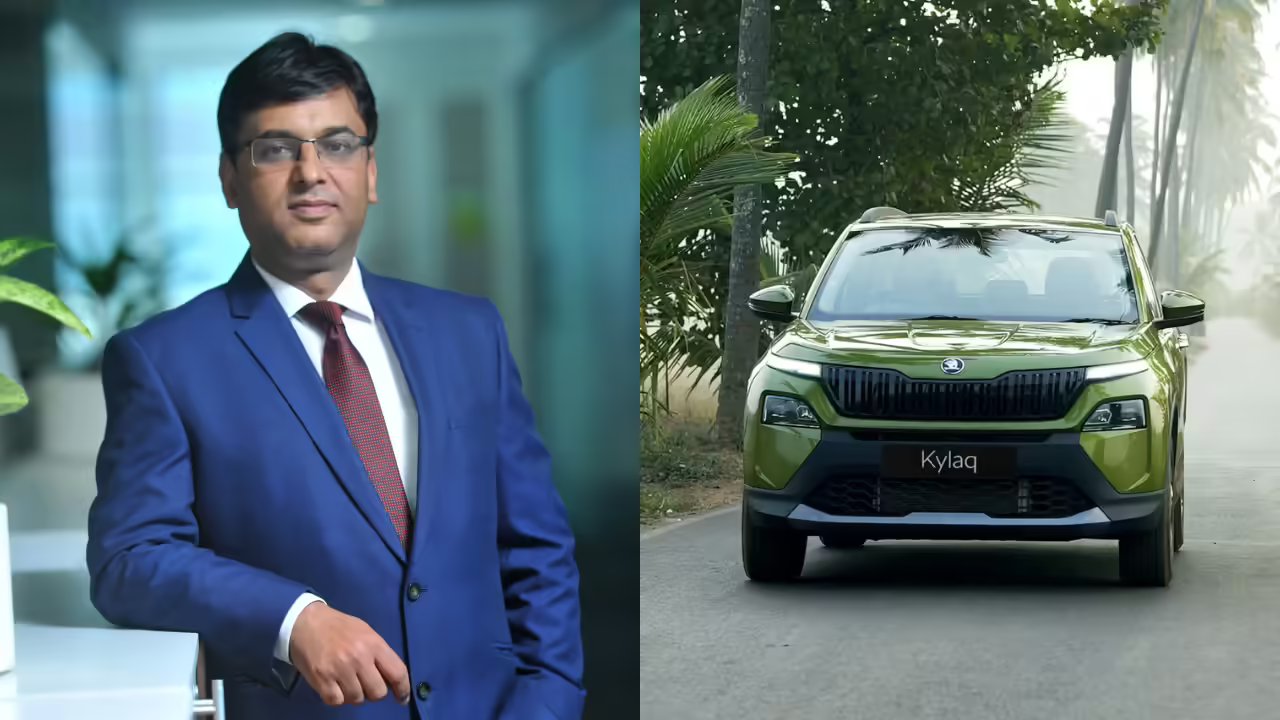
Talking about the key reasons behind the success of the Kylaq, Ashish Gupta, Brand Director, Skoda Auto India, said, “The Kylaq was introduced as an important step in the long-term growth strategy of Skoda Auto India, marking our entry into the sub-4 meter SUV segment with a product designed to broaden the brand’s appeal. As our first SUV in this segment, the Kylaq has become our best-selling SUV within a year. The model has built strong momentum to cross the 50,000 sales milestone and contribute meaningfully to the brand’s sales performance in 2025. Its success has been supported by our efforts to expand market reach, strengthen the network and strengthen Skoda’s position as a brand that offers strong value, strong safety, attractive driving dynamics and accessible ownership costs. Building on this momentum, we have further strengthened the Kayak line-up with customer-led enhancements, making it one of the most accessible vehicles in its segment, offering a true automatic transmission with a comprehensive suite of safety and convenience features, while continuing to provide European technology suitable for Indian roads.Now that Kylak has checked most of the boxes, there are a few that still need to be checked. The Kylaq’s biggest drawback is its single 1.0-litre, three-cylinder turbo-petrol engine, which can feel a little strained when pushed hard, especially against four-cylinder rivals. Also, considering the premium status of the vehicle, the resolution of the parking camera could definitely have been much better. The Skoda Kylaq also omits some premium features offered by rivals, including a 360-degree camera, ventilated seats and a panoramic sunroof. Rear seat comfort is adequate but not class-leading, especially for three passengers, and the three-cylinder engine lets in some noise and vibration at higher speeds. Although most of these things are not deal-breakers, their inclusion will definitely do well in maintaining the Kayak’s competitiveness in the segment in the times to come. We hope Skoda is listening.
