

The world of digital marketing is evolving rapidly, and two strategies leading the charge in 2025 are Affiliate Marketing and Influencer Marketing. Both offer unique opportunities for businesses and individuals to grow revenue, expand brand awareness, and connect with highly targeted audiences. Whether you’re a small business owner, a digital marketer, or someone exploring passive income opportunities, understanding these models can unlock immense potential.
What is Affiliate Marketing? A Beginner’s Guide
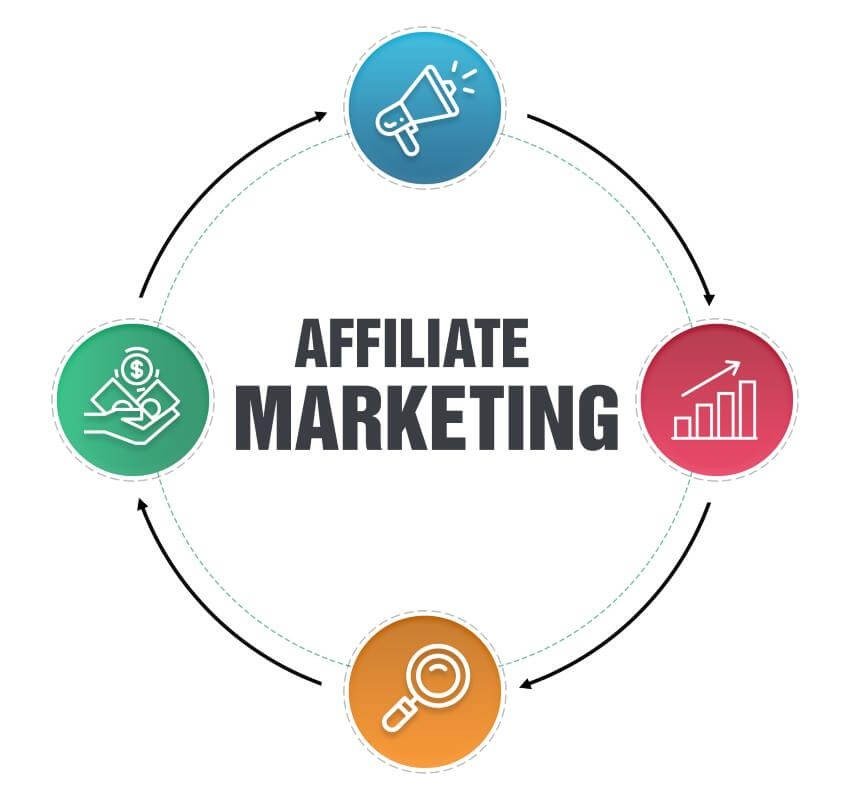
Affiliate marketing is a performance-based marketing strategy where individuals (affiliates) earn a commission for promoting another company’s products or services. It operates on a simple model: affiliates drive traffic or sales through unique tracking links, and businesses pay them only for results.
Affiliate marketing has grown into a multibillion-dollar industry, especially with the rise of e-commerce, social media, and niche content platforms. In 2025, affiliates leverage tools like SEO, blogs, YouTube reviews, and social media ads to connect with audiences searching for specific solutions.
| Key Aspect | Explanation |
|---|---|
| Business Model | Pay-per-sale, pay-per-click, or pay-per-lead |
| Platforms | Amazon Associates, ShareASale, ClickBank |
| Benefits | Low entry cost, passive income, performance-based rewards |
| Challenges | High competition, SEO dependency, trust-building required |
Best Affiliate Programs to Join in 2025
Affiliate programs are more diverse than ever, ranging from retail giants to SaaS companies. Choosing the right program depends on your niche, audience, and platform.
| Affiliate Program | Industry | Commission Rate | Why It’s Popular |
|---|---|---|---|
| Amazon Associates | Retail & eCommerce | 1–10% | Huge product range |
| ShareASale | Multiple Niches | Varies by merchant | Flexibility and options |
| Impact | SaaS, Lifestyle, Finance | Up to 30% | High-paying brands |
| Rakuten Marketing | Fashion & Tech | 5–15% | Strong global presence |
| Shopify Affiliate Program | E-commerce Tools | Average $58 per referral | Growth of online stores |
In 2025, digital services and subscription-based products (like SaaS tools, VPNs, and online courses) offer higher commissions than traditional retail programs, making them ideal for affiliates who want bigger payouts.
Influencer Marketing Strategies for Small Brands
Influencer marketing focuses on partnerships between brands and individuals who have built trust with their audiences. For small businesses in 2025, influencer marketing is not about working with celebrities but partnering with relatable, niche influencers who can authentically promote their products.
Strategies small businesses can adopt:
-
Partner with micro-influencers (5K–50K followers) who have higher engagement than mega influencers.
-
Use platforms like Instagram, TikTok, and YouTube for product demonstrations, tutorials, and authentic reviews.
-
Offer influencers affiliate codes or revenue-sharing opportunities to align incentives.
-
Focus on long-term collaborations instead of one-off sponsored posts for sustainable visibility.
| Type of Influencer | Followers | Best For |
|---|---|---|
| Nano Influencers | 1K–5K | Hyper-local businesses |
| Micro Influencers | 5K–50K | Small brands with niche audiences |
| Macro Influencers | 50K–500K | Growing e-commerce companies |
| Mega Influencers | 500K+ | Established brands seeking wide reach |
How to Work with Micro-Influencers Effectively
Micro-influencers are reshaping influencer marketing in 2025. Unlike mega-influencers, they deliver authenticity, relatability, and community trust.
To maximize collaboration:
-
Identify the Right Fit: Choose influencers whose content aligns with your brand values. For instance, a local skincare startup should work with a beauty blogger passionate about organic products.
-
Build Relationships: Don’t just send product samples. Engage with their content, comment on posts, and build a connection before pitching.
-
Offer Creative Freedom: Allow influencers to showcase your product in their unique voice. Audiences prefer natural endorsements over scripted ads.
-
Track ROI: Use discount codes, affiliate links, and UTM parameters to measure conversions and engagement.
This model ensures small brands get cost-effective marketing with measurable results, making it an essential strategy.
Affiliate Marketing vs Dropshipping
Affiliate marketing is often compared with dropshipping, as both require minimal upfront investment. However, they operate differently.
| Feature | Affiliate Marketing | Dropshipping |
|---|---|---|
| Business Model | Promote other companies’ products and earn commission | Sell products directly from suppliers without holding inventory |
| Investment | Very low (content creation, domain, ads) | Moderate (website, ads, customer support) |
| Profit Margin | Commission-based (5–50%) | Set your own margin |
| Responsibility | No handling of products, shipping, or returns | Manage orders, customer service, and refunds |
| Risk | Low | Moderate (supplier issues, returns, competition) |
Affiliate marketing is ideal for those who want to focus on content creation and promotion without managing logistics, while dropshipping suits entrepreneurs who want to build their own online store and brand identity.
Final Words
In 2025, Affiliate Marketing and Influencer Marketing continue to dominate as cost-effective, performance-driven digital marketing strategies. Affiliate marketing empowers individuals to earn income by promoting products they trust, while influencer marketing allows businesses—especially small ones—to build trust and engagement with their target audience. Together, these two models offer a powerful roadmap for growth, whether you’re a solo entrepreneur, a content creator, or a small business looking to expand your reach in the digital marketplace.
