


This article is written by Pawan Puri, Founder and Managing Director, Greencore Electronics.The days of wrestling with basic steering and manual gearboxes are fast coming to an end in India. The nation is heading straight towards a sensor-rich, high-tech mobility revolution. Advanced driver assistance systems (ADAS) and premium automotive electronics were once the exclusive preserve of luxury showrooms. Not anymore. Today, these smart technologies are coming as standard features in the everyday Indian car. This change means more than just adding a few new screens to the dashboard. This represents a complete change in the driving experience. Drivers are completely changing how they interact with their vehicles and handle road safety. Bringing this groundbreaking technology to one of the world’s most unpredictable traffic environments presents a big, exciting challenge. India isn’t upgrading cars just to look better. The industry is overcoming the chaos, letting vehicles share the burden, and confidently stepping into a smarter, safer era of mobility.
Censor Revolution on Indian Travel
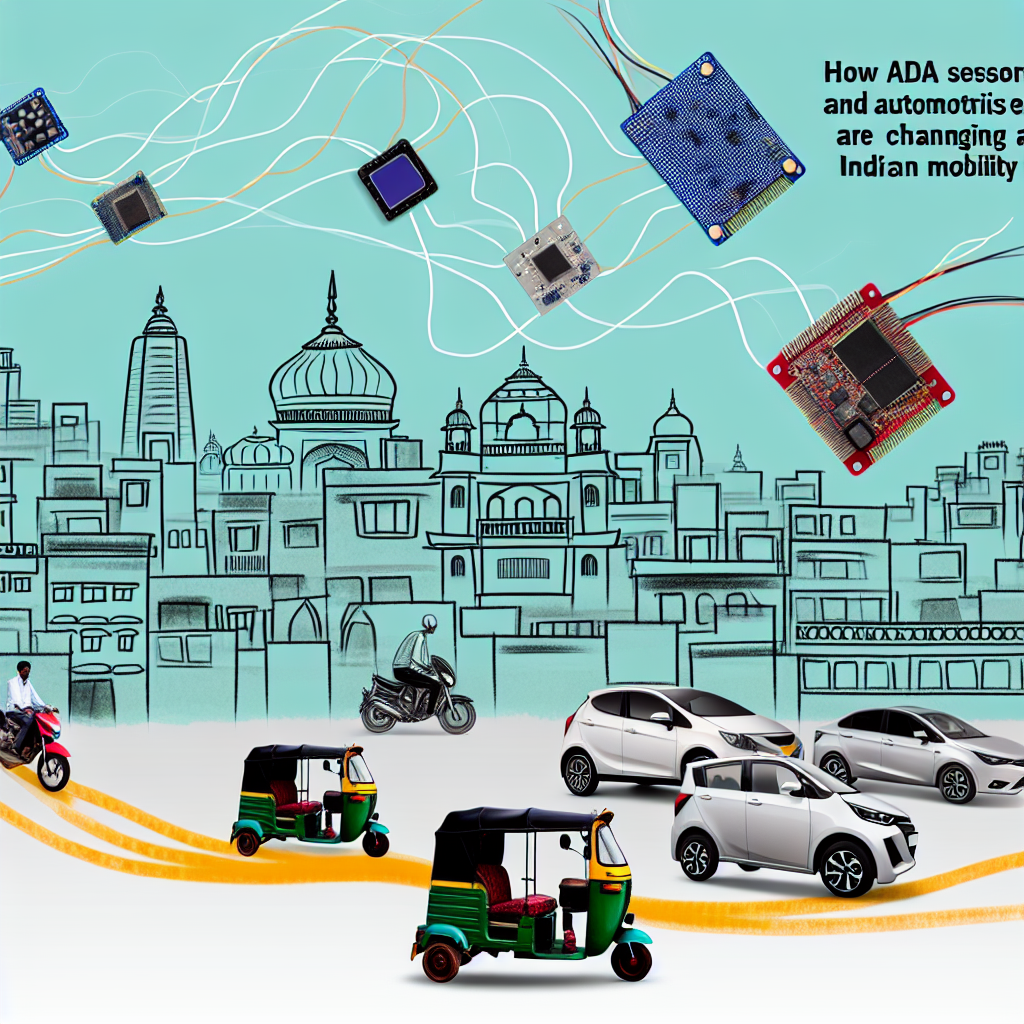
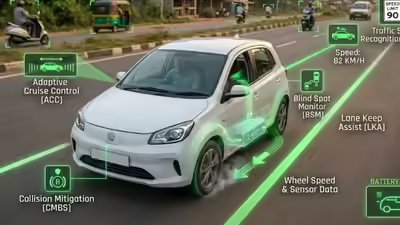
The advent of advanced driver assistance systems (ADAS) marks a shift from reactive driving to proactive prevention. In environments with dense and highly unpredictable traffic, precision electronics act as a vital safety net. Radar, LiDAR and camera systems serve as an extra pair of eyes, continuously scanning millions of data points every second to monitor lane discipline and vehicle proximity. Collectively, these components create a real-time digital representation of the vehicle’s surroundings. Advanced cameras are tasked with recognizing traffic signs and assisting with lane-keeping, while radar sensors manage adaptive cruise control, ensuring a consistent distance even when highway speeds fluctuate. This interconnected system acts as a protective “cocoon”, capable of detecting pedestrians in low light and anticipating a collision before the driver has a chance to react. By converting the physical environment into actionable data, these technologies significantly reduce the possibility of human error. As a result, there is less mental stress for the driver during long journeys, making long journeys much more manageable.Intelligent intervention and proactive protectionOne of the most significant developments in Indian mobility is the shift towards “proactive intervention”. Some features, such as automatic emergency braking (AEB) and forward collision warning, are moving from optional extras to required requirements. With enforcement of the Advanced Driver Assistance System mandate for heavy commercial vehicles by the end of 2026, the focus is on including vulnerable road users such as cyclists and pedestrians. This regulatory change is creating substantial demand for advanced sensor technologies across the logistics and trucking industries across India.
Today’s electronic stability programs and anti-lock brakes are combined with smart software to prevent skidding during sudden turns. The technology also monitors the driver, using internal infrared sensors, the system can flag signs of drowsiness or distraction and use vibration or sound to bring the driver’s attention back to the road. These tools are a game-changer for commercial drivers who face immense pressure to meet delivery targets during grueling interstate trips.
era of software-defined vehicle
Modern cars are essentially becoming “computers on wheels.” The average Indian vehicle now relies on electronic control units (ECUs) and high-performance chips to run everything from the engine to the dashboard. Because of these advancements, cars can now be upgraded via over-the-air (OTA) updates. A vehicle’s safety algorithms or performance can be tuned long after it leaves the dealership, ensuring it remains up to date with the latest security and software. This software-first approach also enables predictive maintenance. Cloud-connected sensors can now flag any mechanical failure or sensor misalignment before it becomes worse. For the Indian buyer, this means more transparency and less roadside headaches. The car is no longer a static machine; It is a dynamic platform that gets better with time. It’s also opening the door to new data-based services, like insurance policies based on how you actually drive.
Navigating the urban jungle
Driving in India’s major metros is getting easier thanks to 360-degree cameras and automated parking. In tight city centers where every inch of space counts, ultrasonic sensors help drivers reach locations without the risk of minor disturbances. This technology is a great help for new drivers and helps keep the traffic flowing in tight parking spaces of Tier-1 cities. Additionally, the growth of the EV market is driving the need for even more advanced electronics. Since electric cars rely more on electronic power management than traditional engines, a partnership between EVs and ADAS is natural. The result is a quieter, cleaner and safer road network. As local manufacturing for chips and sensors accelerates, these technologies will become even more affordable. Leaning towards these changes, the Indian auto sector is entering an era where technology does more than just provide comfort – it saves lives. The invisible network of circuits and sensors is quietly changing the pulse of Indian roads, making every journey more predictable and safer.Disclaimer: The views and opinions expressed in this article are solely those of the original author and do not represent the Times Group or any of its employees.
(Tags to translate)ADAS sensors(T)Automotive electronics(T)Advanced driver assistance systems(T)Indian mobility(T)Software-defined vehicles(T)Safety technology(T)Truck and logistics industry(T)Electric vehicles in India(T)Predictive maintenance in cars(T)Automated parking
